
Wildfire Safety for Active Agers: Simple Steps to Stay Prepared
Published : April 22, 2026
Wildfires are becoming more frequent and unpredictable, affecting not only forests but also communities, neighborhoods, and even urban areas. Preparing in advance is especially important for older adults and caregivers, as mobility, health needs, and access to support can make emergencies more complex.
This guide breaks down simple, practical steps to help seniors stay safe before, during, and after a wildfire.
Why Older Adults Need Extra Preparation
Wildfire smoke and fast evacuations can pose greater risks for seniors. Health conditions, medications, or limited mobility can make it harder to respond quickly in an emergency. Fire Help Center emphasizes that early planning and support systems are key to reducing these risks.
1. Create a Clear Evacuation Plan
Every household should have a plan—but for older adults, it needs to be especially detailed.
Make sure to:
- Identify at least two evacuation routes
- Arrange transportation in advance
- Choose a meeting point with family or caregivers
- Keep a list of emergency contacts
Practicing the plan ahead of time can make a big difference when time is limited. Wildfires can spread quickly, often leaving little time to react.
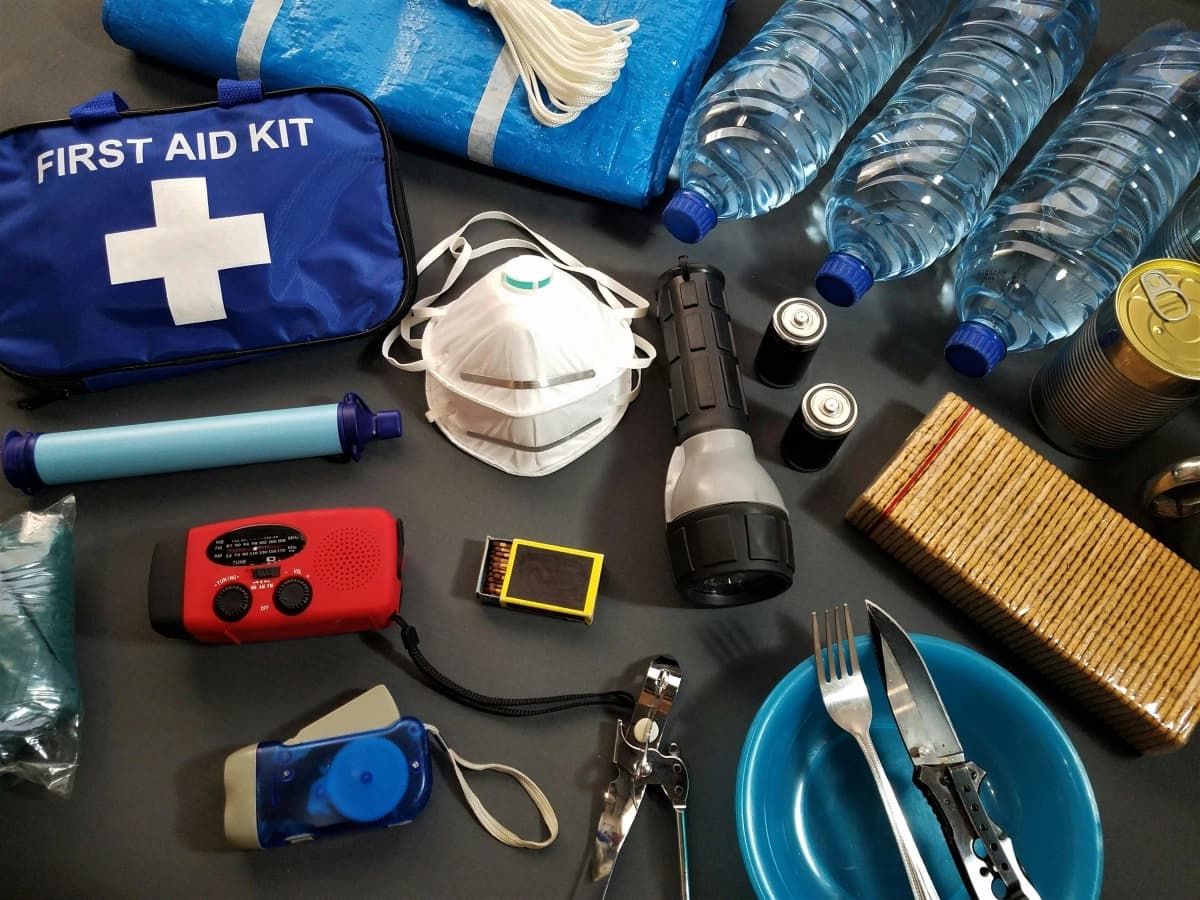
2. Prepare an Emergency “Go Bag”
A ready-to-go emergency kit helps avoid last-minute stress.
Include:
- Medications (at least 1–2 weeks supply)
- Copies of medical records and prescriptions
- Water and non-perishable food (3+ days)
- Flashlight, batteries, and phone chargers
- Comfortable clothing and sturdy shoes
- Important documents (ID, insurance)
Having these essentials ready ensures a faster and safer evacuation.
3. Plan for Medical and Mobility Needs
Older adults often rely on medications or medical devices.
Important steps:
- Keep medications organized and accessible
- Prepare backup power for medical equipment
- Inform caregivers or neighbors about your needs
- Register with local emergency services if available
Planning ahead helps avoid dangerous delays during evacuations.
4. Reduce Fire Risk Around the Home
Small changes around the home can make a big difference.
Focus on:
- Clearing dry leaves, debris, and flammable materials
- Keeping space between plants and structures
- Moving firewood or fuel away from the house
- Cleaning roofs and gutters regularly
Creating this “defensible space” helps slow or stop fire spread.
5. Stay Informed During Wildfire Season
Accurate, timely information is critical.
You should:
- Enable emergency alerts on your phone
- Follow local government or fire agencies
- Monitor air quality and fire updates
Do not rely only on social media—official alerts are more reliable in emergencies.
6. Protect Against Smoke Exposure
Wildfire smoke can travel far and affect health even if the fire is not nearby.
To stay safe:
- Keep windows and doors closed
- Use air purifiers if available
- Limit outdoor activity
- Wear a properly fitted mask if going outside
Smoke can irritate the lungs and worsen existing conditions, especially in older adults.
7. Know When to Evacuate
If authorities tell you to leave, leave immediately.
Before leaving:
- Close windows and doors
- Take your emergency kit
- Follow designated evacuation routes
Delaying evacuation can be dangerous, as roads may quickly become blocked.
8. After the Wildfire: Returning Safely
Even after a wildfire passes, risks remain.
When returning home:
- Wait for official clearance
- Watch for hazards like debris or damaged structures
- Avoid contact with ash and smoke residue
- Seek support for emotional recovery if needed
Recovery is not just physical—mental health and community support also matter.
Final Thoughts
Wildfire preparedness doesn’t have to be complicated. For older adults and caregivers, the key is planning early, staying informed, and keeping things simple and accessible.
For a more detailed guide, you can explore additional tips from Fire Help Center here:
https://www.firehelpcenter.com/wildfires/safety-preparedness-guide/seniors-caregivers/
Comments
Author
Founder & CEO of Ageless-Societies.com
Tags
B2B & Partnership Opportunities
- Ageless-Premier.com — The Private Membership Circle of Ageless-Societies.com
- Capital-Ageless.com — Longevity Investment Ecosystem
- Ageless-Societies-Living.com — Creating Places for Longer Lives.
- Strategy-Ageless.com — Workforce Longevity for Organisations
- Ageless-Societies-Coaching.com — Coaching Academy
- Ageless-Societies.org — Non-Profit Initiative

Powered byodoplatforms.com